Chihuahuas can be traced back to Mexico where they descended from a breed of companion dog. While their ancestors were known to be mute, over the many years since there will have been plenty of interbreeding to create the breed we know and love today so don’t expect your Chihuahua to be silent!

Chihuahuas have remained a popular breed due to their small size and loving, energetic and alert nature. They may be best known as lap dogs and this may be the case some of the time, but they’re also busy, active and full of personality. Chihuahuas can have short, smooth coats or longer, fluffier coats, which gives them quite a different look, but both coat types of Chihuahua have the same needs.
Common health problems in Chihuahuas
Chihuahuas can be confident little dogs who love playing and learning. Sadly though, like other purebred dogs, they are prone to certain health problems related to their breed.
If you’re thinking of buying a Chihuahua puppy, we’d recommend getting one from a Kennel Club Assured Breeder, as they will meet extra requirements including health screening. Parents having the relevant screening reduces the chances of your puppy being affected by these upsetting conditions. We’d also recommend discussing the medical history of your potential puppy’s parents and grandparents.
If you want to minimise the risk of your dog getting problems, you can read our advice on choosing a pedigree dog.
Health conditions Chihuahuas can be prone to include:
Luxating patellas – where the kneecaps slip temporarily out of place. Before breeding parents can be checked by a vet for this.
Hip dysplasia – where the hip joint doesn’t fit together perfectly, which will eventually lead to arthritis. Before breeding, dogs should be screened by x-rays through the BVA/Kennel Club Hip Dysplasia Scheme.
Hydrocephalus – a build-up of fluid around the brain.
Eye problems including:
- Dry eye (Keratoconjunctivitis sicca or KCS) - a condition that stops your dog producing tears and causes dry, painful eyes.
- Entropion – inward rolling of the eyelids which can often cause irritation to the eye.
- Lens luxation
Heart disease – heart scans can screen parents for heart valve problems.
Tracheal collapse – a condition where the windpipe gradually gets weaker and ‘collapses’ causing breathing problems.
Legg-Perthes disease (Legg-Calvé-Perthes) – a painful condition which causes the hip joint to die and crumble.
Dental problems – due to the shape of their jaw, they can experience overcrowding of the teeth, retention of puppy teeth and dental disease.
Dystocia – this breed can struggle to give birth to puppies (dystocia), if you’re thinking of breeding your Chihuahua we’d advise speaking to your vet for advice before mating.
Cryptorchidism – a condition where one testicle does not descend into the scrotal sac.
Chiari malformation and Syringomyelia (CM/SM) – a very painful condition where fluid-filled areas develop within the spinal cord near the brain. There is currently a BVA/KC scheme for this.
Caring for your Chihuahua
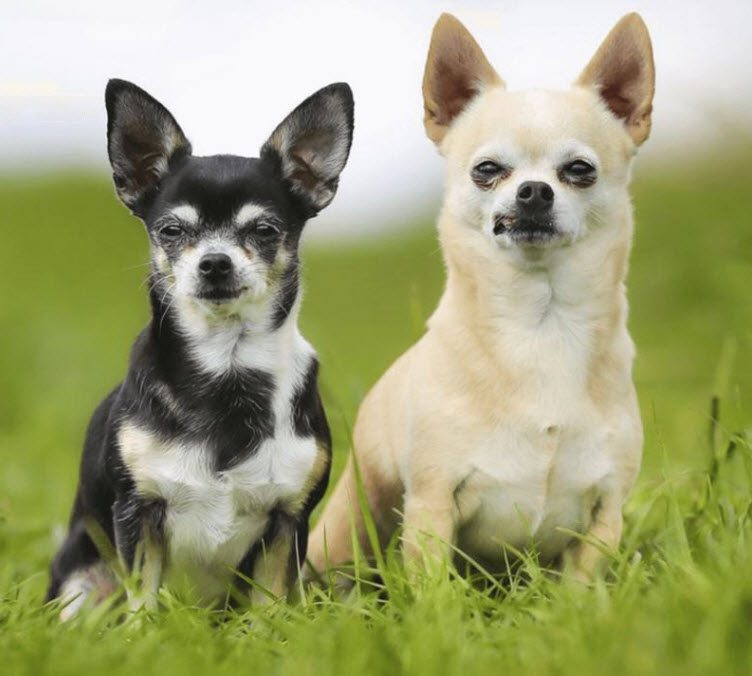
Chihuahuas are little dogs with big personalities. They’re really adaptable so would be just as happy to live in a flat as they would a countryside manor as long as they have the space they need to run around and play when the mood takes them.
Despite their tiny size, Chihuahuas still like to keep busy! They need lots to keep them occupied. Many owners report that although they adore their owners they still have a bit of an independent streak so will enjoy toys and puzzles they can play with on their own.
Chihuahuas and barking
Chihuahuas, like any dog, are likely to make some noise and this will be down to the individual, their personality and training. Chihuahuas’ personalities can really vary within the breed, some are reported to be feisty and confident, not afraid to stand up for themselves, while others can be timid, shy and fearful. The good news is that as they are clever dogs, they can be taught not to bark excessively but this needs to start from a young age, ideally before they develop the habit! If you’re having trouble with problem barking, we’d recommend seeking the advice of an accredited behaviourist.
Training and socialisation
Chihuahuas are clever little dogs who respond really well to positive, reward-based training. It can be hard to say no to them, but they need lots of consistency during their training and to be treated with a firm but fair attitude. This will help them develop lots of good manners and prevent any unwanted behaviours. Just because they’re small it certainly doesn’t mean that they’re any less of a dog. It’s been reported by many a Chihuahua owner that they have a more independent streak, so Chihuahuas are better suited to owners with experience of training wilful dogs! If you’re having trouble or are a first-time owner, we’d recommend taking your dog to accredited training classes.
While Chihuahuas can be confident dogs, due to their small size it’s easy for them to become wary of unfamiliar things. This is why it’s really important to socialise your Chihuahua from a young age with lots of different people, experiences and places so they grow up to be a well-rounded adult.
As companion dogs Chihuahuas love company and need someone around the home all the time. They tend not to cope well with even very short periods alone so we wouldn’t recommend a Chihuahua if you’re away from home a lot without them as they can quickly develop separation anxiety.
Exercise
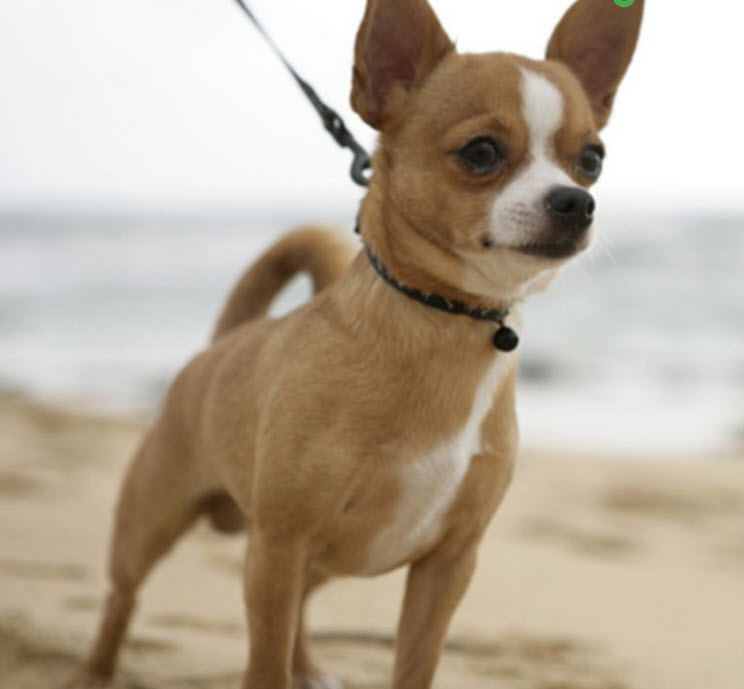
They might be small, but your Chihuahua will still love getting out and about! While they might not need as much exercise as some larger breeds, it’s still important to make sure your Chihuahua stays active.
Your Chihuahua will need a minimum of half an hour exercise every day to stay happy and healthy. We’d recommend splitting this into two smaller walks so they can have a sniff and explore. On top of this, your Chihuahua will need lots of playtime with you, short training sessions and free time in a secure area to let off steam.
As a smaller breed, remember to get toys suitable for your little Chihuahua so they can play lots. They will also enjoy puzzle toys which are great for keeping their sharp minds active.
Grooming
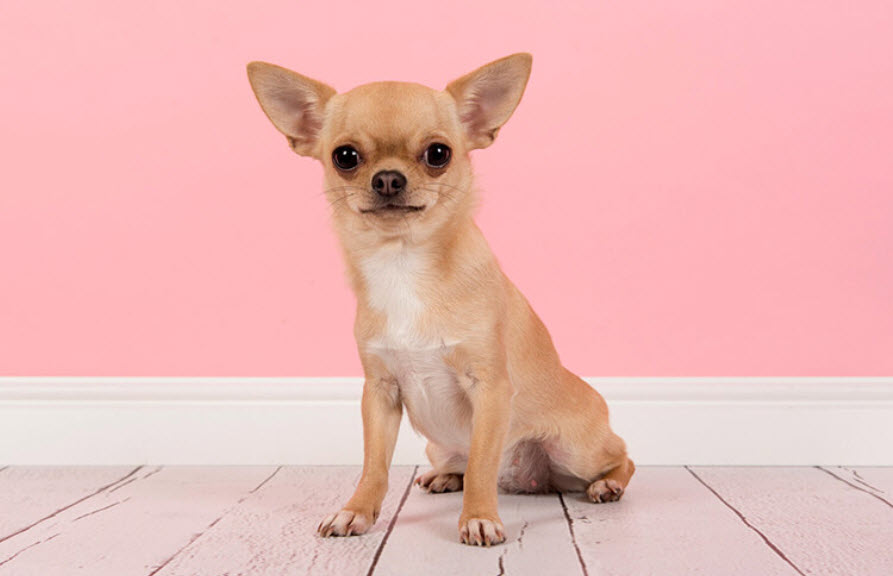
Whether you have a smooth or long coat Chihuahua, they are surprisingly low maintenance on the grooming front. A weekly brush for your short coated and two to three times per week for your longer haired Chihuahua should be more than enough to keep on top of the dead hairs.
As with any breed, you should expect your Chihuahua to shed, especially over spring and autumn. A regular vacuum should help you keep on top of this around the home - check out our blog for more fur-busting tips.
Chihuahuas and children
All dogs are different and behaviour can vary widely within a breed. There are many owners who report that their Chihuahua fits in well with their family. All dogs should be given the right training and socialisation, so they know what’s expected of them.
As Chihuahuas are small and light weight, they’re very tempting for children to pick up and play with, which they’re unlikely to enjoy. Because of this, they’re better suited to families with slightly older children who understand that they may not want to be picked up or fussed all the time.
You should always supervise your dog with children and make sure you can recognise the signs that they are unhappy so any stressful situations can be stopped before they escalate.
Chihuahuas and other pets
As long as your Chihuahua has been well-socialised with lots of different dogs from a young age, they should be fine with them. It’s really important to introduce them to lots of larger dogs in a positive way so they don’t feel intimidated meeting them.
Generally speaking, your Chihuahua will live happily with another pet they have grown up with. However, this won’t stop them from chasing any unfamiliar pets in their garden! Always supervise your dog with other pets.
Food
Your Chihuahua’s diet will vary depending on their age and any health conditions they may have. You’ll need to feed them a complete, balanced dog food to keep them slim and healthy.
Your vet will be able to tell you how much your dog should be eating. You should feed a healthy Chihuahua a good quality, commercially available and complete dog food and it’s usually recommended to split their daily allowance into two meals. If you give your dog an occasional treat or use treats for training, remember to take this into account and reduce their daily allowance. Treats shouldn’t make up more than 10% of their calories or they can unbalance their diet.
You should try to feed your dog at the same time every day to get them into a routine. Remember to leave a gap after eating and before exercising